Al | Aluminium
Analysis
0.00 µg/l
Setpoint
0 - 60 µg/l
Choose your Habitat here
Choose your Problem here
| Unwanted heavy metals | Analysis | Setpoint | ||
|---|---|---|---|---|
| Al Aluminium | Aluminium | 0.00 µg/l | 0 - 60 µg/l | |
| Sb Antimony | Antimony | 0.00 µg/l | 0 µg/l | |
| As Arsenic | Arsenic | 0.00 µg/l | 0 µg/l | |
| Bi Bismuth | Bismuth | 0.00 µg/l | 0 µg/l | |
| Pb Lead | Lead | 0.00 µg/l | 0 µg/l | |
| Cd Cadmium | Cadmium | 0.00 µg/l | 0 µg/l | |
| Cs Caesium | Caesium | 0.00 µg/l | 0 µg/l | |
| Ga Gallium | Gallium | 0.00 µg/l | 0 µg/l | |
| In Indium | Indium | 0.00 µg/l | 0 µg/l | |
| Cu Copper | Copper | 0.00 µg/l | 0 µg/l | |
| La Lanthanum | Lanthanum | 0.00 µg/l | 0 µg/l | |
| Hg Mercury | Mercury | 0.00 µg/l | 0 µg/l | |
| Sc Scandium | Scandium | 0.00 µg/l | 0 µg/l | |
| Ag Silver | Silver | 0.00 µg/l | 0.1 µg/l | |
| Se Selenium | Selenium | 0.00 µg/l | 0 µg/l | |
| Te Tellurium | Tellurium | 0.00 µg/l | 0 µg/l | |
| Ti Titanium | Titanium | 0.00 µg/l | 0 µg/l | |
| W Tungsten | Tungsten | 0.00 µg/l | 0 µg/l | |
| Sn Tin | Tin | 0.00 µg/l | 0 µg/l |
0.00 µg/l
0 - 60 µg/l
0.00 µg/l
0 µg/l
0.00 µg/l
0 µg/l
0.00 µg/l
0 µg/l
0.00 µg/l
0 µg/l
0.00 µg/l
0 µg/l
0.00 µg/l
0 µg/l
0.00 µg/l
0 µg/l
0.00 µg/l
0 µg/l
0.00 µg/l
0 µg/l
0.00 µg/l
0 µg/l
0.00 µg/l
0 µg/l
0.00 µg/l
0 µg/l
0.00 µg/l
0.1 µg/l
0.00 µg/l
0 µg/l
0.00 µg/l
0 µg/l
0.00 µg/l
0 µg/l
0.00 µg/l
0 µg/l
0.00 µg/l
0 µg/l
| Macro-Elements | Analysis | Setpoint | ||
|---|---|---|---|---|
| Cl Chloride | Chloride | 19279.00 mg/l | 19500 mg/l | |
| Na Sodium | Sodium | 10577.00 mg/l | 10000 - 11300 mg/l | |
| Ca Calcium | Calcium | 450.00 mg/l | 415 - 520 mg/l | |
| Mg Magnesium | Magnesium | 1352.00 mg/l | 1320 - 1500 mg/l | |
| K Potassium | Potassium | 376.00 mg/l | 380 - 480 mg/l | |
| Br Bromide | Bromide | 68.00 mg/l | 64 mg/l | |
| B Boron | Boron | 5.00 mg/l | 4.5 mg/l | |
| F Fluoride | Fluoride | 0.17 mg/l | 1.3 mg/l | |
| Sr Strontium | Strontium | 8.00 mg/l | 8 - 12 mg/l | |
| S Sulphur | Sulphur | 899.00 mg/l | 900 mg/l |
19279.00 mg/l
19500 mg/l
10577.00 mg/l
10000 - 11300 mg/l
450.00 mg/l
415 - 520 mg/l
1352.00 mg/l
1320 - 1500 mg/l
376.00 mg/l
380 - 480 mg/l
68.00 mg/l
64 mg/l
5.00 mg/l
4.5 mg/l
0.17 mg/l
1.3 mg/l
8.00 mg/l
8 - 12 mg/l
899.00 mg/l
900 mg/l
| Li-Group | Analysis | Setpoint | ||
|---|---|---|---|---|
| Li Lithium | Lithium | 74.00 µg/l | 200 µg/l | |
| Ni Nickel | Nickel | 3.00 µg/l | 5 µg/l | |
| Mo Molybdenum | Molybdenum | 6.00 µg/l | 12 µg/l |
74.00 µg/l
200 µg/l
3.00 µg/l
5 µg/l
6.00 µg/l
12 µg/l
| I-Group | Analysis | Setpoint | ||
|---|---|---|---|---|
| V Vanadium | Vanadium | 0.00 µg/l | 0 - 3 µg/l | |
| Zn Zinc | Zinc | 114.00 µg/l | 0 - 5 µg/l | |
| Mn Manganese | Manganese | 44.00 µg/l | 0 - 3 µg/l | |
| I Iodine | Iodine | 131.00 µg/l | 30 - 90 µg/l |
0.00 µg/l
0 - 3 µg/l
114.00 µg/l
0 - 5 µg/l
44.00 µg/l
0 - 3 µg/l
131.00 µg/l
30 - 90 µg/l
| Fe-Group | Analysis | Setpoint | ||
|---|---|---|---|---|
| Cr Chromium | Chromium | 0.00 µg/l | 0-1 µg/l | |
| Co Cobalt | Cobalt | 0.00 µg/l | 0-1 µg/l | |
| Fe Iron | Iron | 61.00 µg/l | 0-1 µg/l |
0.00 µg/l
0-1 µg/l
0.00 µg/l
0-1 µg/l
61.00 µg/l
0-1 µg/l
| Ba-Group | Analysis | Setpoint | ||
|---|---|---|---|---|
| Ba Barium | Barium | 273.00 µg/l | 0 - 10 µg/l | |
| Be Beryllium | Beryllium | 0.00 µg/l | 0 µg/l |
273.00 µg/l
0 - 10 µg/l
0.00 µg/l
0 µg/l
| Si-Group | Analysis | Setpoint | ||
|---|---|---|---|---|
| Si Silicon | Silicon | 92.00 µg/l | 0 - 200 µg/l |
92.00 µg/l
0 - 200 µg/l
| Nutrient-Group | Analysis | Setpoint | ||
|---|---|---|---|---|
| P Phosphorus | Phosphorus | 72.00 µg/l | 6 - 23 µg/l | |
| PO4 Phosphate | Phosphate | 0.220 mg/l | 0.018 - 0.07 mg/l |
72.00 µg/l
6 - 23 µg/l
0.220 mg/l
0.018 - 0.07 mg/l
| Salinity | Analysis | Setpoint | ||
|---|---|---|---|---|
| Sal Salinity | Salinity | 34.169 PSU | 35 PSU |
34.169 PSU
35 PSU
We detected elements in your water that can be harmful for your tank.
More information about each element is listed below.
To remedy this we recommend carrying out 6 x 15% water changes Red Sea Salt (blue bucket), spread over 6 weeks
Your Iodine levels are slightly elevated.
Check for possible contamination source. To help you in your search for the source of error, we have listed the most common sources of iodine (sorted in descending order of frequency):
1. Trace element overdose / contamination
2. Contaminated salts
Monitor with future ICP-OES tests.
Your Phosphorus / phosphate levels are too high.
Check for possible contamination source. To help you in your search for the source of error, we have listed the most common reasons (sorted in descending order of frequency):
1. Overfeeding, especially with dry food or not washed-frozen foods
2. No Phosphate Remover in the system
3. Too much vegetable food
4. Too little flow, "Gammel corners" in the aquarium
5. Weak filtration / skimming
6. use of supplements to increase nutrients
Renew or increase PO4 media, feed less, wash frozen food, avoid dried foods (flakes or pellets)
Your Barium levels are too high.
Check for possible contamination source. To help you in your search for the source of error, we have listed the most common sources of Barium (sorted in descending order of frequency):
1. Phosphate iron-based (except ROWAphos or PhosBan)
2. Contaminated salts
3. Contaminated trace elements, in particular strontium
4. Dried fishfood
Use AL99 PO4 remover to remove Barium
Your Iron levels are too high.
Check for possible contamination source. To help you in finding the source of error, we have listed them the most common sources of iron (sorted in descending order of frequency):
1. Trace element overdose / contamination
2. Metals near or in the aquarium (as rusty clamps or screws)
3. Iron based Phosphate remover (too much flow in reactor)
4. Low pH in the aquarium
Your Manganese levels are too high.
Check for possible contamination source. To assist you in finding the source of error, we have listed the most common sources of iodine (sorted in descending order of frequency):
1. Trace element overdose / contamination
2. Contaminated salts
Your Zinc levels are too high.
Check for possible contamination source. To assist you in finding the source of error, we have listed the most common sources of zinc (sorted in descending order of frequency):
1. Contaminated trace elements
2. Hand Cream applied before working in the aquarium
3. Contaminated salts
Your Lithium levels are too low.
Please dose as recommended in the DOSE tab.
Your Potassium levels are slightly low.
Please dose as recommended in the DOSE tab.
Your Fluoride levels are slightly low.
Please dose as recommended in the DOSE tab.
We have detected a lack of potassium.
A potassium dose may have the following advantages for your aquarium:
- Can promote the coloring of SPS
- Can have a positive effect on the bacterial flora
To restore the natural value, they refer to our recommended dosage.
We recommend the corrective dosage be carried out over 2 days. For the first day the dosage should be 23.25g. On the last day please use 12.52g.
If you have the 1000ml version please visit this link to re-calculate your dosage.
We have detected a lack of magnesium.
A magnesium dosage can have the following benefits for your aquarium:
- Essential for calcification
- Important for the development of healthy coral skeleton of SPS and LPS corals
To restore the natural value, please refer to our recommended dosage.
We recommend the corrective dosage of 140.91g for 1 day.
If you have the 1000ml version please visit this link to re-calculate your dosage.
We have detected a lack of molybdenum.
A molybdenum dose may have the following advantages for your aquarium:
- Can promote enzymatic processes in the reef aquarium
- Can promote the color of SPS and LPS
- Too high a dosage of molybdenum can be detrimental to the aquarium, please dose carefully.
To restore the natural value, please refer to our recommended dosage.
We recommend the corrective dosage be carried out over 2 days. For the first day the dosage should be 38.75ml. On the last day please use 7.75ml.
We have detected a lack of vanadium.
A vanadium dosage may have the following advantages for your aquarium:
- Can have a positive effect on the growth of sponges, sea squirts and SPS and LPS corals
- Can promote a better polyp extension
- May intensify the color of Acropora and Montipora
To restore the natural value, please note our dosing recommendation.
To keep this value, please note our maintenance dose. For calculating the maintenance dose proceed as follows:
1st Test: dose maintenance dose xml
2nd Test: old maintenance dosing xml (from the 1st test) + new maintenance dose meter (from the 2nd test) XML.
3. Test:: old maintenance dosing xml (from the 1st test) + old maintenance dosing xml (from the 2nd test) + new maintenance dose xml meter (from the 3rd Test).
4. Test: see above. Thereafter, the dosage should not be increased, even though the analysis indicates a value of 0.
We recommend the corrective dosage of 0.93ml for 1 day.
We recommend a daily maintenance dose of 0.06ml. If this dose is very low, then this can be alternatively be dosed weekly (daily dose x7).
Warning, dangerous element for the aquarium. Dosage for professional, experienced aquarists only!
A nickel dose may have the following advantages for your aquarium:
- Can improve the color image of coral
- Can improve the overall health of LPS and SPS corals
Attention, the concentration of nickel in natural seawater is so low that it can not be detected. If a dose is desired, begin with the recommended dosage listed below and test the value regularly in our laboratory. If nickel are detected, they have overdosed and should adjust the dose immediately. You can increase the dosage of nickel slowly until they see a positive effect.
We recommend the corrective dosage of 15.50ml for 1 day.
Warning: Potentially hazardous element for aquariums. For professional and experienced aquarists only.
Chromium dosing may provide the following potential benefits in reef aquariums:
1. May enhance coral coloration
2. May support calcification and therefore promote coral growth
Important: The natural concentration of chromium in seawater is extremely low and typically below detectable limits.
If you decide to dose chromium, start strictly with the recommended dosage listed below and regularly test your water through our laboratory.
If chromium becomes detectable in your test results, this indicates that the element has been overdosed and the dosage should be reduced immediately.
If desired, the dosage can then be increased very slowly over time until a positive effect is observed.
We recommend the corrective dosage be carried out over 32 days. For the first 32 days the daily dosage should be 0.19375ml.
Warning: Potentially hazardous element for aquariums. For professional and experienced aquarists only.
Cobalt dosing may provide the following potential benefits in reef aquariums:
1. May enhance coral coloration
2. May support calcification and accelerate coral growth
3. May improve the overall health of LPS and SPS corals
Important: The natural concentration of cobalt in seawater is extremely low and typically below detectable limits.
If you decide to dose cobalt, start strictly with the recommended dosage listed below and regularly test your water through our laboratory.
If cobalt becomes detectable in your test results, this indicates that the element has been overdosed and the dosage should be reduced immediately.
If desired, the dosage can then be increased very slowly over time until a positive effect is observed.
We recommend the corrective dosage be carried out over 32 days. For the first 32 days the daily dosage should be 0.19375ml.
Select your country and buy the products here
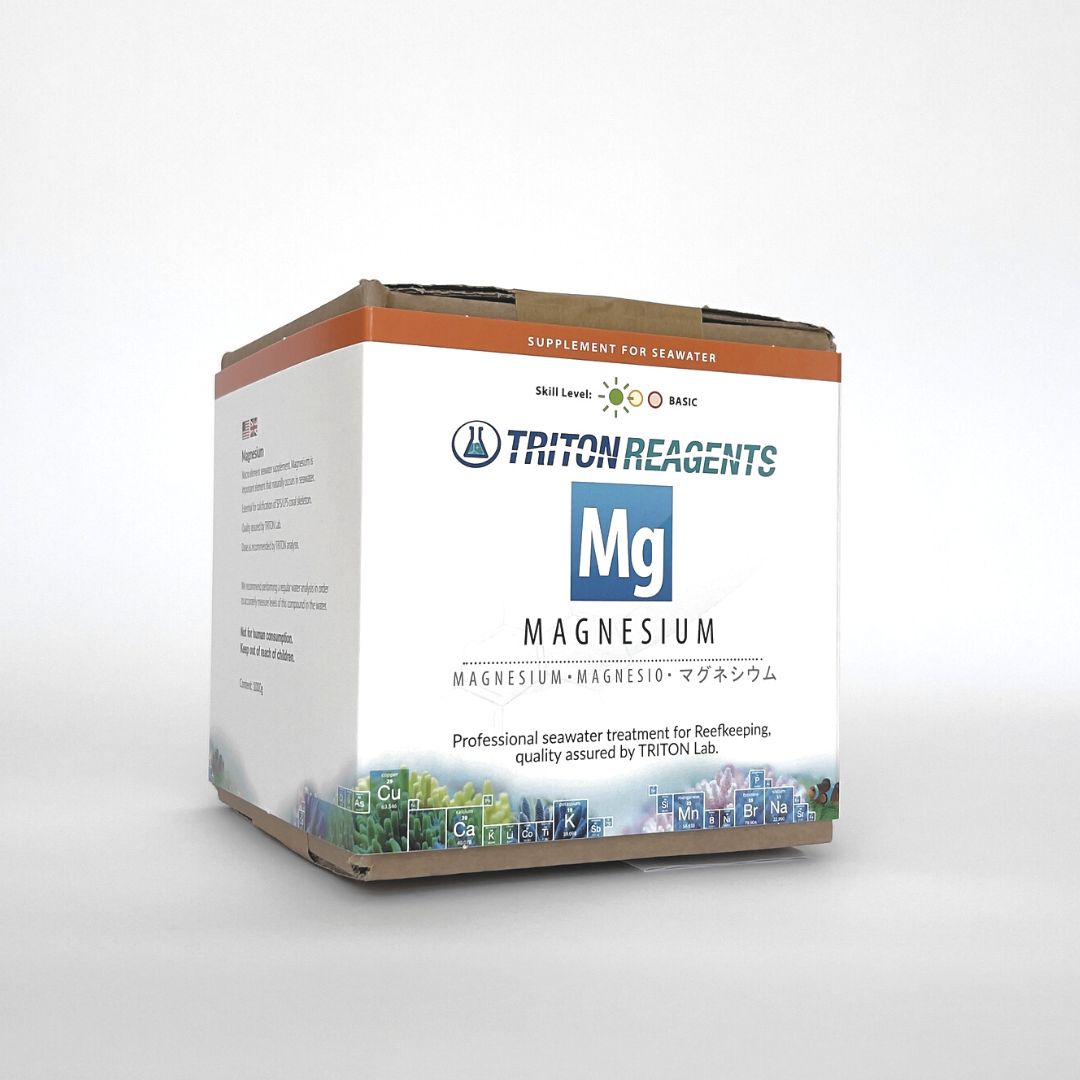 1x Triton Reagents Magnesium 1000g
0
1x Triton Reagents Magnesium 1000g
0
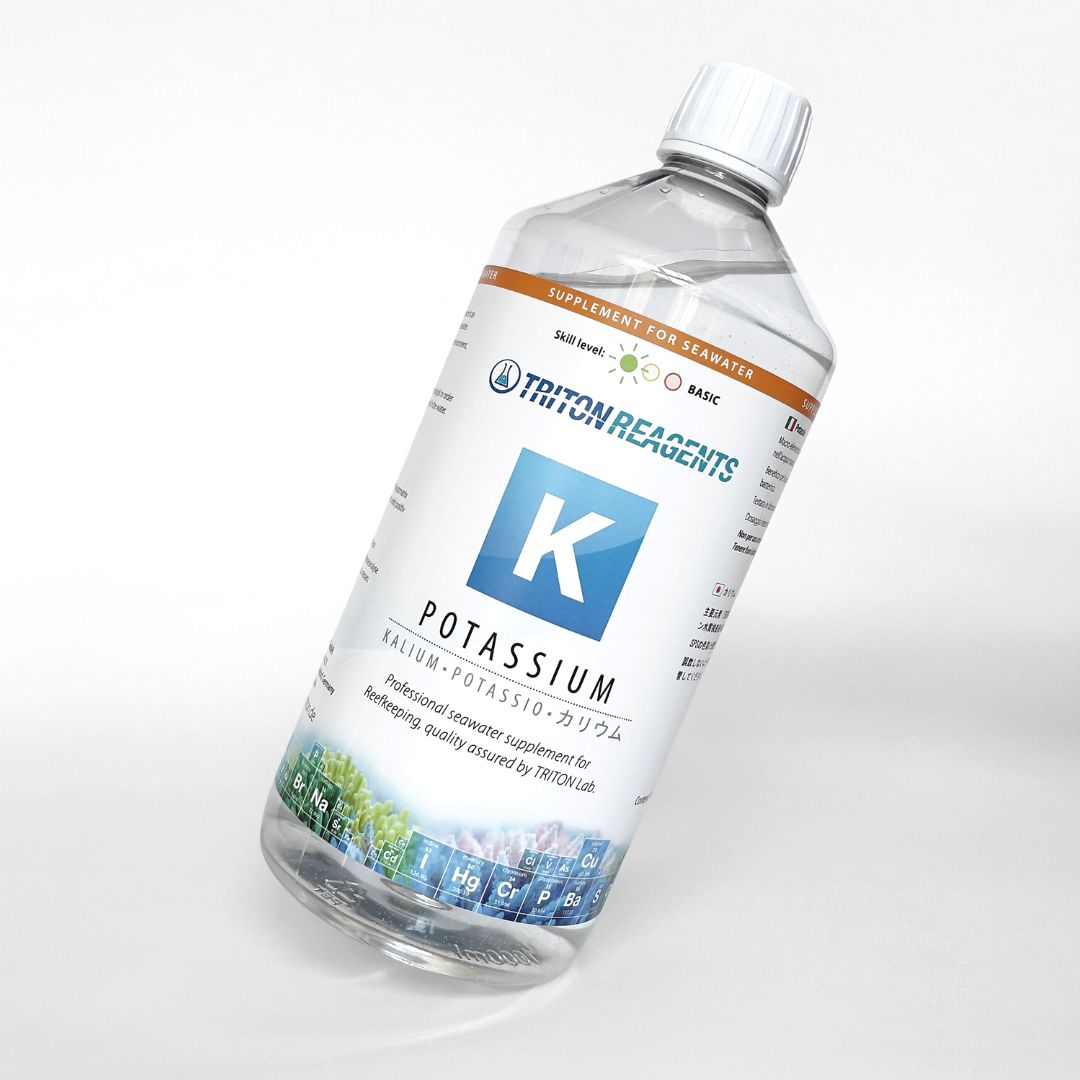 1x Triton Reagents Potassium 1000g
0
1x Triton Reagents Potassium 1000g
0
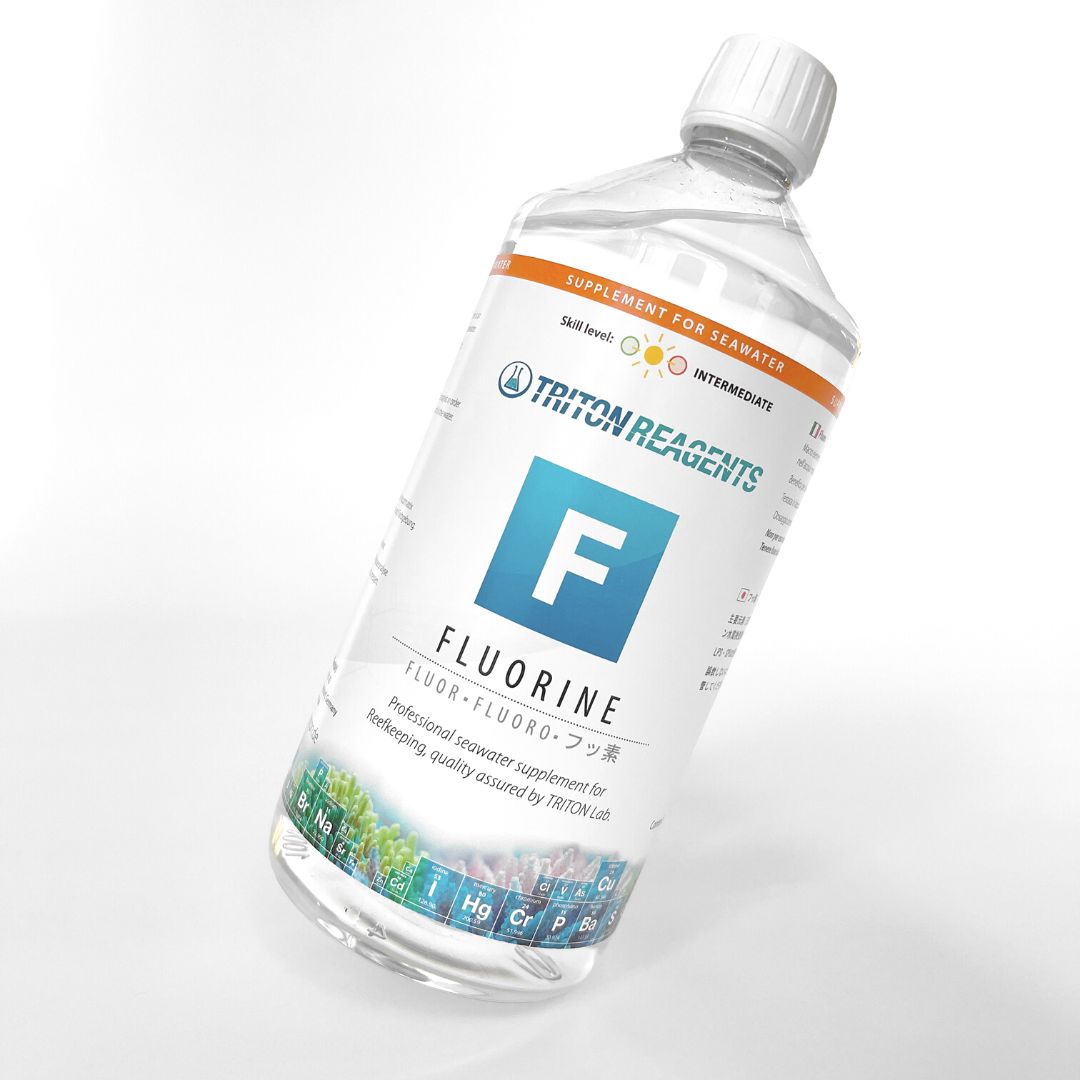 1x Triton Reagents Fluorine 1000ml
0
1x Triton Reagents Fluorine 1000ml
0
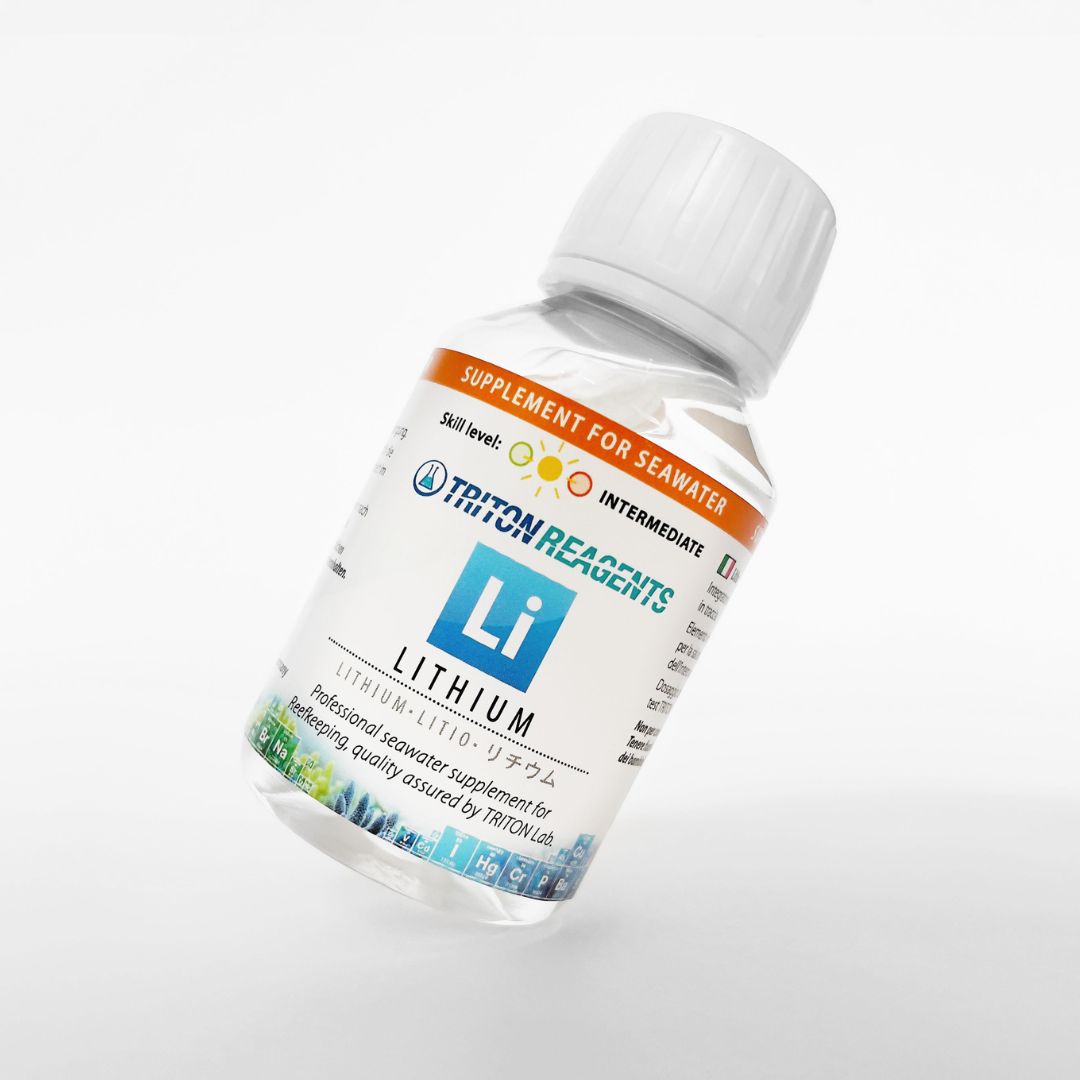 2x Triton Reagents Lithium 100ml
0
2x Triton Reagents Lithium 100ml
0
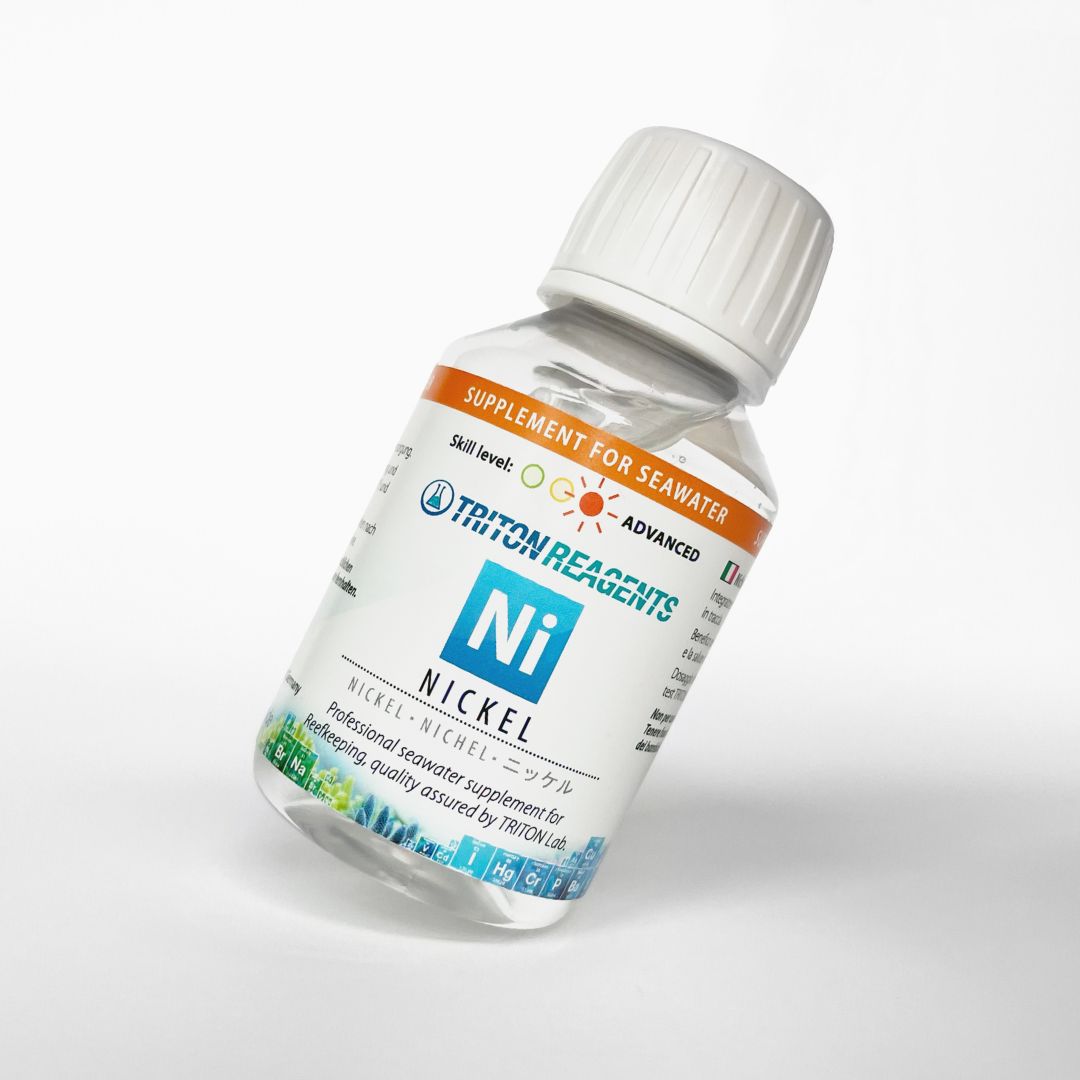 1x Triton Reagents Nickel 100ml
0
1x Triton Reagents Nickel 100ml
0
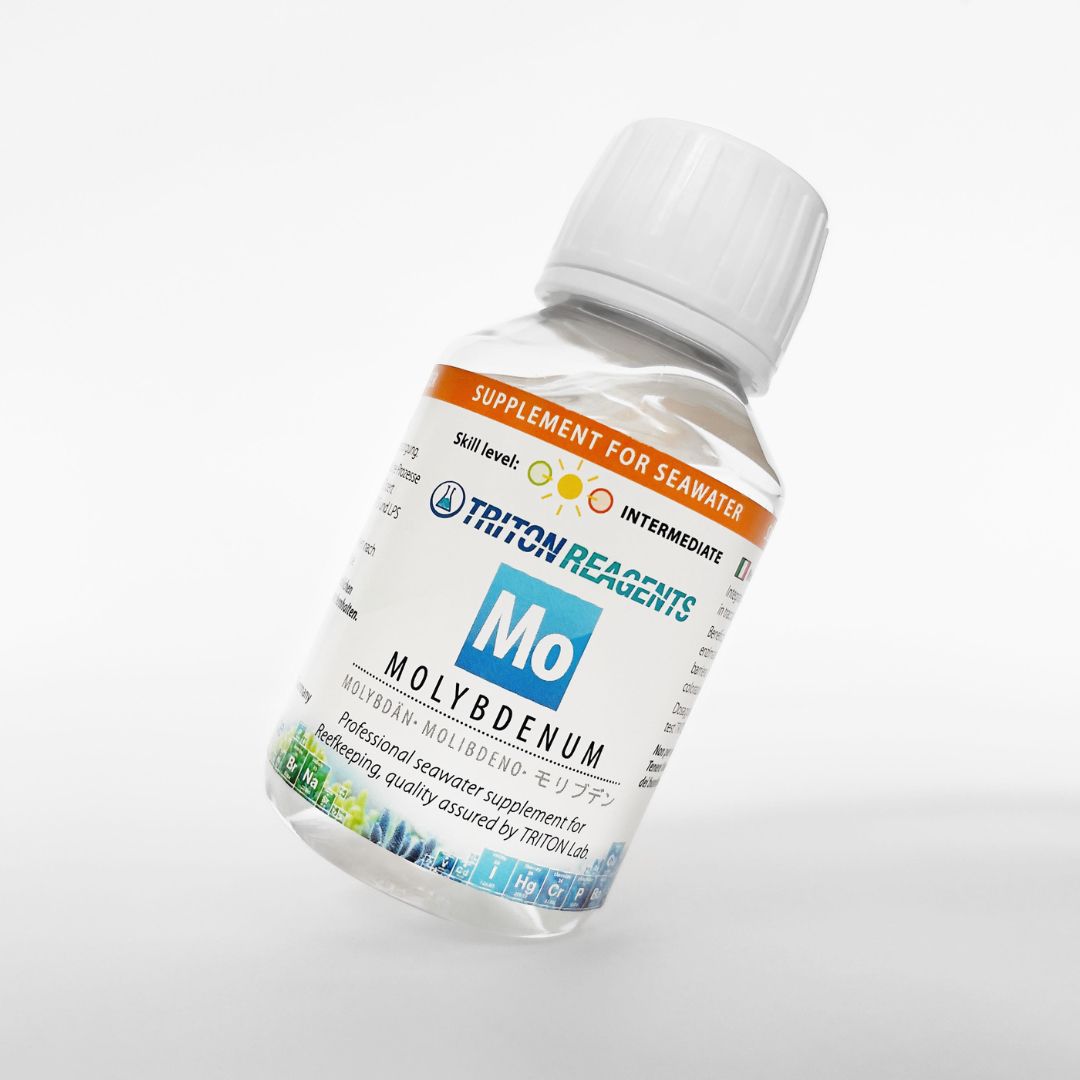 1x Triton Reagents Molybdenum 100ml
0
1x Triton Reagents Molybdenum 100ml
0
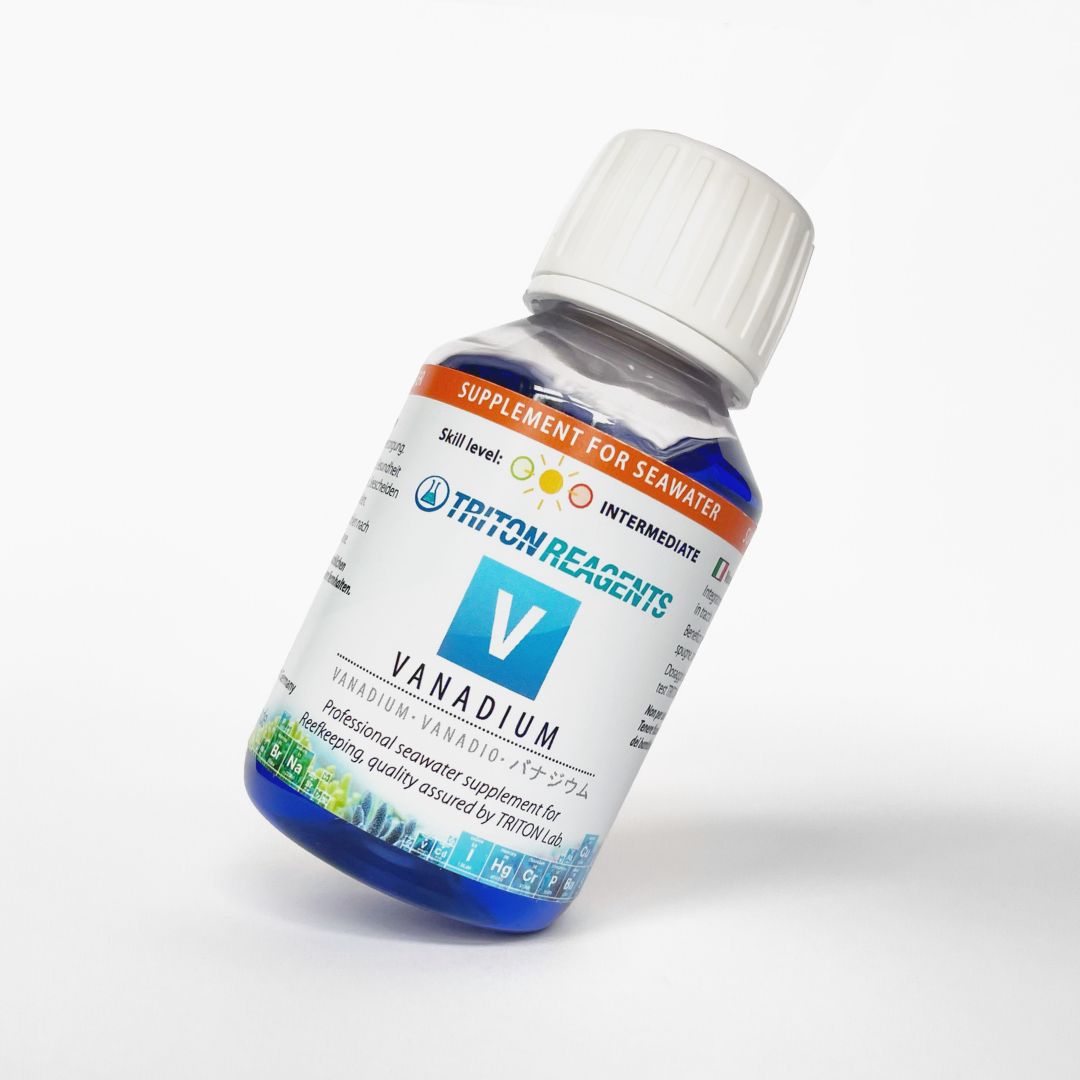 1x Triton Reagents Vanadium 100ml
0
1x Triton Reagents Vanadium 100ml
0
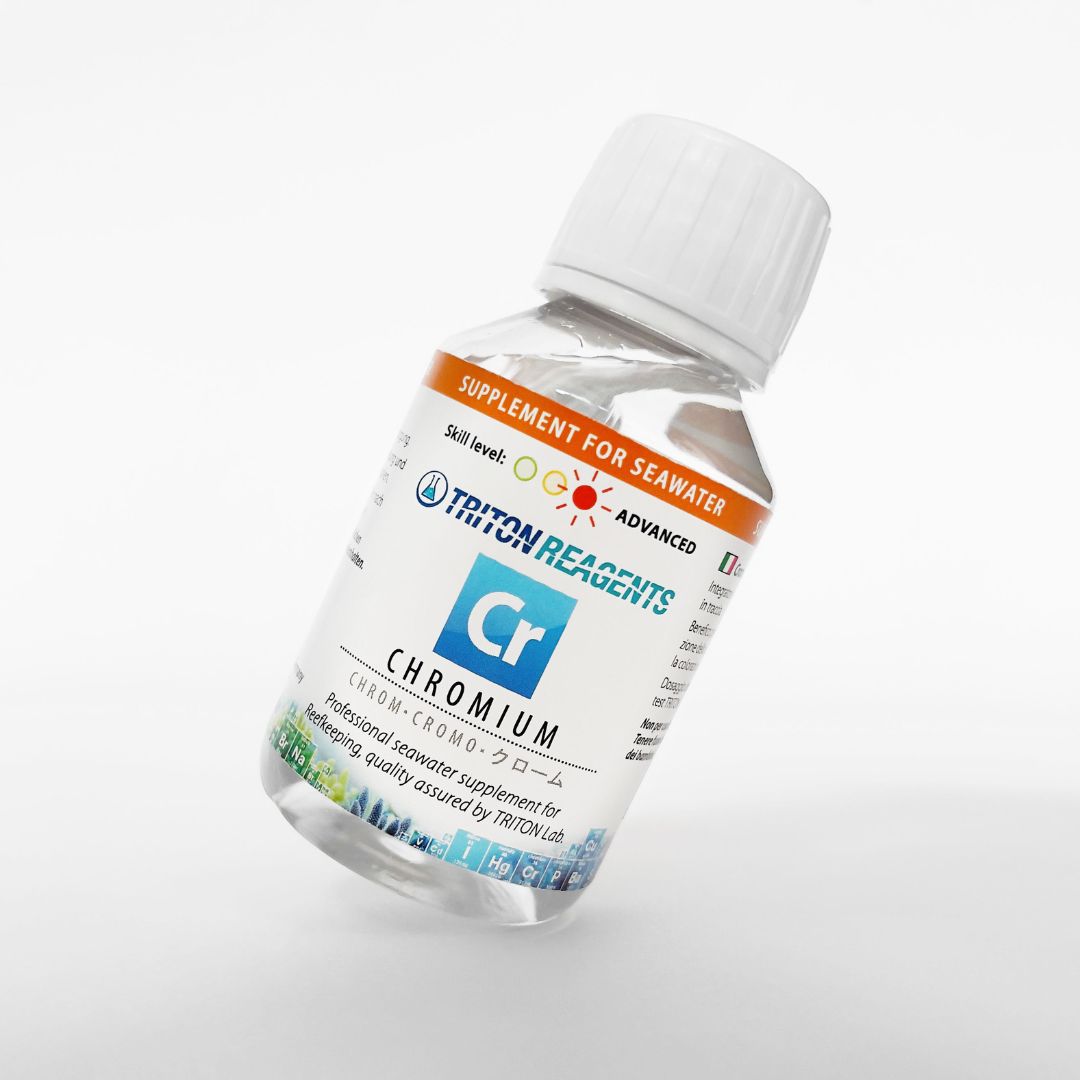 1x Triton Reagents Chromium 100ml
0
1x Triton Reagents Chromium 100ml
0
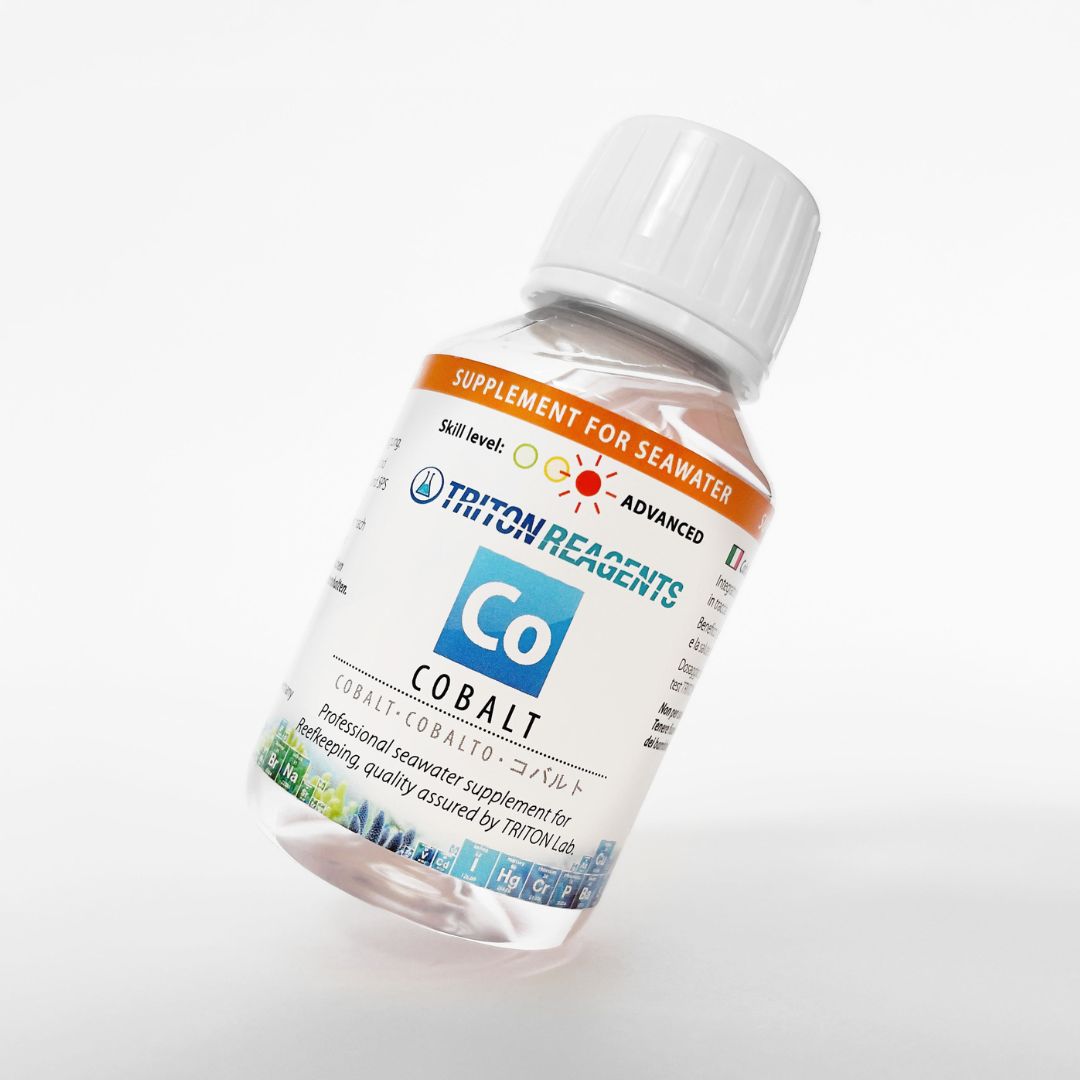 1x Triton Reagents Cobalt 100ml
0
1x Triton Reagents Cobalt 100ml
0